

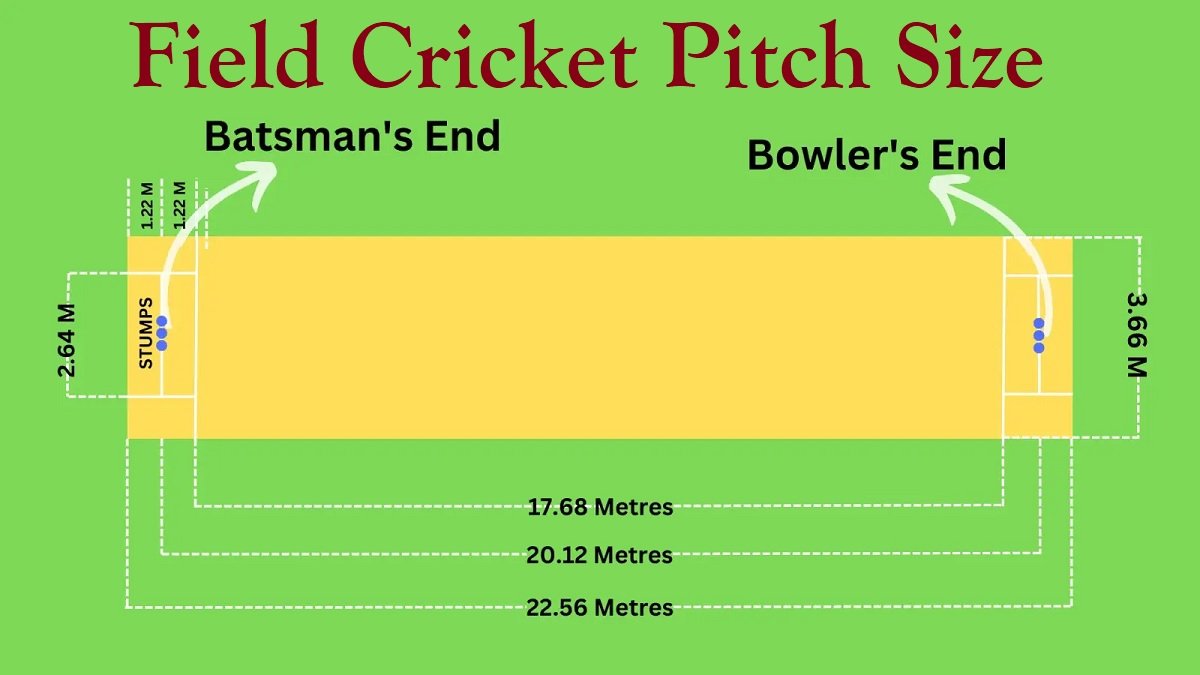
Box Cricket Pitch Size – Complete Guide
Box cricket has unexpectedly received reputation throughout India and other cricket-loving international locations because of its rapid-paced motion, confined space requirement, and suitability for all age corporations. Whether you are planning to build a field cricket ground, organize tournaments, or genuinely understand the appropriate dimensions, knowing the container cricket pitch length is important.
Unlike conventional cricket, box cricket is performed in a closed or semi-closed place, typically with synthetic turf and surrounding nets or walls. However, there is no unmarried international governing frame for container cricket, so pitch sizes can also range slightly. Still, positive general dimensions are widely common and utilized in professional box cricket arenas.
In this detailed guide, we will explain field cricket pitch length, floor dimensions, indoor vs out of doors variations, guidelines, materials, costs, and format planning—all in one region.
What Is Box Cricket?
Box cricket is a shorter and more compact version of conventional cricket, typically played with 6 to 8 players consistent with group in a net-enclosed square box. The recreation emphasizes agility, quick reflexes, and innovative shot-making instead of lengthy strokes.
Key Features of Box Cricket:
- Played in a confined place (box-fashioned floor)
- Artificial turf or mat floor
- Tennis ball or heavy rubber ball
- Faster suits (5–10 overs)
- Suitable for indoor and out of doors play
Because of its shape, box cricket pitch size performs a essential function in retaining equity and safety.
Standard Box Cricket Pitch Size
Although dimensions may vary based totally on to be had space, the following measurements are considered trendy and ideal.
Standard Box Cricket Pitch Dimensions (In Feet)
| Area | Measurement |
|---|---|
| Pitch Length | 50–60 feet |
| Pitch Width | 8–10 feet |
| Total Ground Length | 60–70 feet |
| Total Ground Width | 30–40 feet |
| Net Height | 10–15 feet |
| Boundary Distance | 15–20 feet from pitch |
These dimensions provide a balanced gambling enjoy, permitting both batters and bowlers to perform efficiently.
Box Cricket Pitch Size in Meters
For the ones planning worldwide-popular centers, right here is the same facts in metric devices:
| Area | Size (Meters) |
|---|---|
| Pitch Length | 15–18 meters |
| Pitch Width | 2.4–3 meters |
| Ground Length | 18–21 meters |
| Ground Width | 9–12 meters |
| Net Height | 3–4.5 meters |
Indoor Box Cricket Pitch Size
Indoor box cricket is normally played in sports complexes, warehouses, or transformed halls. Since indoor areas have height restrictions, pitch size is cautiously optimized.
Indoor Pitch Size Specifications
| Feature | Recommended Size |
|---|---|
| Pitch Length | 45–55 feet |
| Pitch Width | 8 feet |
| Ceiling Height | Minimum 15 feet |
| Side Net Height | 12 feet |
| Playing Surface | Synthetic turf |
Indoor container cricket pitches often use tender tennis balls to avoid damage and injuries.
Outdoor Box Cricket Pitch Size
Outdoor box cricket allows barely large dimensions due to open area availability.
Outdoor Pitch Size Specifications
| Feature | Recommended Size |
|---|---|
| Pitch Length | 55–65 feet |
| Pitch Width | 10 feet |
| Net Height | 15 feet |
| Playing Surface | Artificial grass |
| Drainage | Mandatory |
Outdoor pitches are greater long lasting however require right drainage structures to deal with climate situations.
Box Cricket Pitch Layout Explained
A proper field cricket pitch format ensures easy gameplay and safety.
Main Components of a Box Cricket Pitch
- Batting crease
- Bowling crease
- Wicket region
- Side nets
- Back nets
- Non-striker zone
- Run-up vicinity
Pitch Markings
- Creases are normally marked using white paint or tape
- Bowling crease width: 8 ft
- Batting crease intensity: 3–4 toes
Box Cricket Pitch Surface Types
Choosing the proper surface is essential for player safety and pitch sturdiness.
Common Surface Options
| Surface Type | Advantages | Disadvantages |
|---|---|---|
| Artificial Turf | Durable, low maintenance | Higher initial cost |
| Rubber Mat | Affordable, easy to install | Less realistic bounce |
| Synthetic Grass | Professional feel | Needs regular cleaning |
Artificial turf stays the most desired option for professional field cricket setups.
Box Cricket Ball and Its Impact on Pitch Size
The sort of ball used immediately impacts pitch length and protection.
| Ball Type | Recommended Pitch Size |
|---|---|
| Tennis Ball | Standard size |
| Heavy Tennis Ball | Slightly larger pitch |
| Rubber Ball | Medium-sized pitch |
Most leagues choose tennis balls because of safety and jump consistency.
Box Cricket Rules Related to Pitch Size
Certain regulations are directly linked to pitch dimensions.
Key Rules
- No overarm bowling beyond waist peak
- One jump allowed earlier than hitting aspect nets
- Hitting the returned net directly often results in dismissal
- Fielders have to stay inside the box
Smaller pitch sizes imply stricter bowling and fielding guidelines to maintain balance.
Minimum Space Required for Box Cricket Ground
If you are planning to construct a container cricket facility, right here is the minimum space required:
| Facility Type | Minimum Area |
|---|---|
| Single Pitch | 2,000 sq ft |
| Dual Pitch | 4,000 sq ft |
| Tournament Arena | 6,000+ sq ft |
Cost of Building a Box Cricket Pitch
The value varies based totally on length, materials, and vicinity.
Estimated Cost Breakdown (India)
| Item | Approx Cost (INR) |
|---|---|
| Artificial Turf | ₹120–₹180 per sq ft |
| Nets & Poles | ₹1–2 lakh |
| Lighting | ₹50,000–₹1 lakh |
| Flooring Base | ₹70,000–₹1.5 lakh |
| Total Cost | ₹3–7 lakh |
Box Cricket Pitch Size for Tournaments
Tournament pitches usually comply with stricter standards.
| Feature | Tournament Standard |
|---|---|
| Pitch Length | 60 feet |
| Pitch Width | 10 feet |
| Net Height | 15 feet |
| Lighting | LED floodlights |
| Surface | FIFA-grade turf |
Common Mistakes While Designing a Box Cricket Pitch
Avoid these errors to ensure long-term usability:
- Insufficient net top
- Poor drainage (outdoor)
- Slippery turf
- Incorrect pitch alignment
- Low ceiling clearance (indoor)
Box Cricket vs Traditional Cricket Pitch Size
| Feature | Box Cricket | Traditional Cricket |
|---|---|---|
| Pitch Length | 50–60 ft | 66 ft |
| Ground Size | Small | Very large |
| Players | 6–8 | 11 |
| Match Duration | Short | Long |
Why Correct Box Cricket Pitch Size Matters
A nicely designed pitch:
- Ensures participant safety
- Improves gameplay quality
- Attracts professional tournaments
- Increases business profitability
- Reduces damage risk
Even a 2–3 toes mismatch can impact bowling pace, shot selection, and fairness.
Future Trends in Box Cricket Pitch Design
With growing demand, present day field cricket pitches now consist of:
- Shock-absorbent turf layers
- Smart LED lights
- Digital scoreboards
- Multi-recreation adaptability
- Soundproof indoor designs
Pitch size remains the foundation of a lot of these improvements.
Frequently Asked Questions (FAQs)
What is the suitable box cricket pitch size?
The ideal length is 50–60 toes in length and 8–10 ft in width, depending on indoor or outdoor setup.
Is container cricket pitch length fixed?
No, however preferred dimensions are accompanied in maximum professional arenas.
Can field cricket be played on a rooftop?
Yes, provided safety nets, correct pitch length, and structural protection are ensured.
Conclusion
Understanding the field cricket pitch size is critical whether or not you’re a player, organizer, or entrepreneur. While container cricket allows flexibility, sticking near to standard dimensions ensures higher gameplay, protection, and professionalism. From pitch length and width to internet top and floor type, each detail topics.
If you’re making plans to spend money on a container cricket setup, start with the right pitch length—because a robust basis always leads to success.