

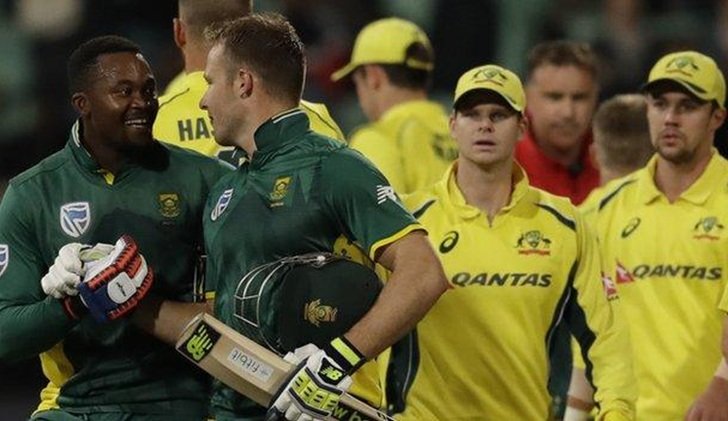
A highest ODI run chase is measured by the number of runs a team scores while batting second to win a match, rather than simply by the size of its target. That distinction matters: a side might be set 400 and finish on 401, while another could score a large total in a chase that still falls short. Only the winning second-innings score belongs in a list of successful pursuits.
What Makes an ODI Chase a Record Chase?
One-Day International cricket gives each side one innings, with a current limit of 50 overs per innings. As Wikipedia’s men’s ODI records overview notes, the format has not always had the same innings length, having previously included 55- and 60-over matches. That history is important when comparing scores from different eras, because teams in earlier matches often had more deliveries available to construct an innings.
A successful chase begins with a clear target: the team batting second must score one run more than the opponent’s total, subject to any revised target applied in a rain-affected game. The final score is then the figure used for the record. If a team reaches its target at 365/5, for example, that completed score—not the target of 365—is the chase total that can be compared with other successful pursuits.
This approach also separates a successful chase from an impressive but unsuccessful second innings. A team may produce a record-level score while batting second and still lose if the target proves too high. For readers looking at scorecards, the result line is therefore as important as the final total.
Why Target Size and Winning Score Are Different
The target indicates the scale of the challenge, but it is not the same as the runs recorded by the winning side. In a normal uninterrupted ODI, a first-innings total of 350 means the chasing team requires 351. If it wins by reaching 351/6, its successful chase is recorded as 351/6. If it finishes on 352/6, the relevant chase score is 352.
That may sound straightforward, but it explains why lists can differ if they use different definitions. Some tables rank the largest targets successfully overhauled. Others rank the highest second-innings totals in victories. A properly labelled top 10 should make clear which of those two approaches it follows, as the order can change when a winning side scores extra runs after passing the target.
The distinction is particularly useful in close finishes. A one-wicket win with a high total can be remembered for its tension, while a chase completed with several overs and wickets remaining may demonstrate even greater control. Both are successful chases, but the score, margin and match situation tell different parts of the story.
The Basic Rules for a Reliable Top 10
A meaningful ranking of the highest ODI run chases should include only men’s ODIs if that is the stated scope. Men’s and women’s ODI records are maintained separately, and combining them would make the category unclear. It should also include matches involving recognised ODI teams rather than domestic one-day fixtures, which may have similar playing conditions but are not international records.
Each entry needs a consistent set of match details:
| Detail | Why it matters |
| Winning team’s final score | This is the chase total being ranked |
| Opponent’s first-innings score | It establishes the original target |
| Result and margin | It confirms that the pursuit succeeded |
| Match date and venue | It identifies the fixture accurately |
| Competition name | It provides the proper match context |
| Overs used | It shows the pace and pressure of the chase |
A list should not use only the first-innings total to rank chases. Nor should it treat every large score while batting second as a successful pursuit. The chase must end in victory, whether by wickets, by runs in a revised-target scenario, or through another officially recorded result.
The Role of Revised Targets
Rain and interruptions make ODI record comparisons more complicated. A revised target can mean that a team wins after scoring fewer runs than the side batting first, yet the result remains a legitimate successful chase under the match regulations. Conversely, a team may make a very large second-innings score but fail to reach a revised target.
For record-list purposes, the safest method is to state both the winning total and the target that applied at the finish. That prevents confusion when readers see an apparent mismatch between the two innings totals. It also preserves the reality of how the game was decided rather than implying that every ODI chase followed an uninterrupted 50-over pattern.
The same care is useful for matches from periods when ODIs were scheduled for more than 50 overs. Comparing a 60-over-era pursuit with a modern 50-over chase can still be valid in a raw-score list, but context should accompany it. Raw runs measure the total achieved; they do not automatically measure the relative difficulty of scoring them.
What Great Chases Usually Have in Common
The largest successful pursuits are rarely built by one batter alone. Openers often establish a fast start, but a record chase usually also needs a middle-order partnership capable of maintaining the required rate after wickets fall. The lower order may have a defining role as well, especially when the chase reaches the final overs.
Pacing is the central tactical issue. A batting side cannot simply preserve wickets for too long when the target is unusually high, because the required rate can become unmanageable. At the same time, reckless aggression can leave too much work for the tail. Successful teams tend to find a balance between early momentum, consolidation through the middle overs and a calculated finish.
Bowling conditions matter too. A high-scoring pitch does not guarantee an easy pursuit, as scoreboard pressure changes a batter’s decision-making. Field placements, bowling changes and the availability of wickets all affect whether a side can convert a promising start into a completed chase.
For readers following major limited-overs fixtures and comparing match outcomes, winmatch365-in.vip can sit alongside scorecard reading as a way to keep attention on the result rather than judging a chase by the first-innings total alone.
How India Fits Into the Conversation
India’s ODI history has particular relevance to discussions of big chases because the country has played a vast number of matches in the format. Wikipedia notes that India became the first team to play 1,000 ODIs during its home series against West Indies in February 2022. A long ODI history creates more opportunities for memorable pursuit performances across different grounds, conditions and batting eras.
However, volume alone should not be confused with a record. To describe an Indian chase accurately, the final score, target and result all need to be checked within the individual match scorecard. It is also helpful to distinguish between India’s highest successful chase and the overall world ranking, because a national record may not necessarily occupy the same position in the global top 10.
For Indian readers, the appeal of a big chase often lies in the familiar progression of the innings: a demanding target, an early partnership, a setback in the middle overs and a late push. The scorecard captures the numbers, but the sequence of partnerships explains how the target was actually reached.
Why Raw Totals Do Not Tell the Full Story
A ranking by runs gives a clear answer to the question of the highest successful ODI chases, but it cannot settle every debate about the greatest chase. A total achieved with many overs remaining may reflect batting dominance. A slightly smaller score completed from a near-impossible position may carry more drama. Both views are legitimate because they measure different things.
Run rate, wickets in hand, opposition attack, venue and match pressure all shape the quality of a pursuit. A top-10 table should therefore be treated as a record of final totals, not as a definitive list of the most exciting ODIs ever played. Cricket’s most memorable chases often derive their status from the contest as much as the number beside the winning team.
Conclusion
The highest ODI run chases are best understood as winning second-innings totals, ranked with clear attention to targets, results and match conditions. A clean record list provides the numerical order, while scorecards reveal the partnerships, momentum shifts and decisions that turned an enormous target into a completed victory.