

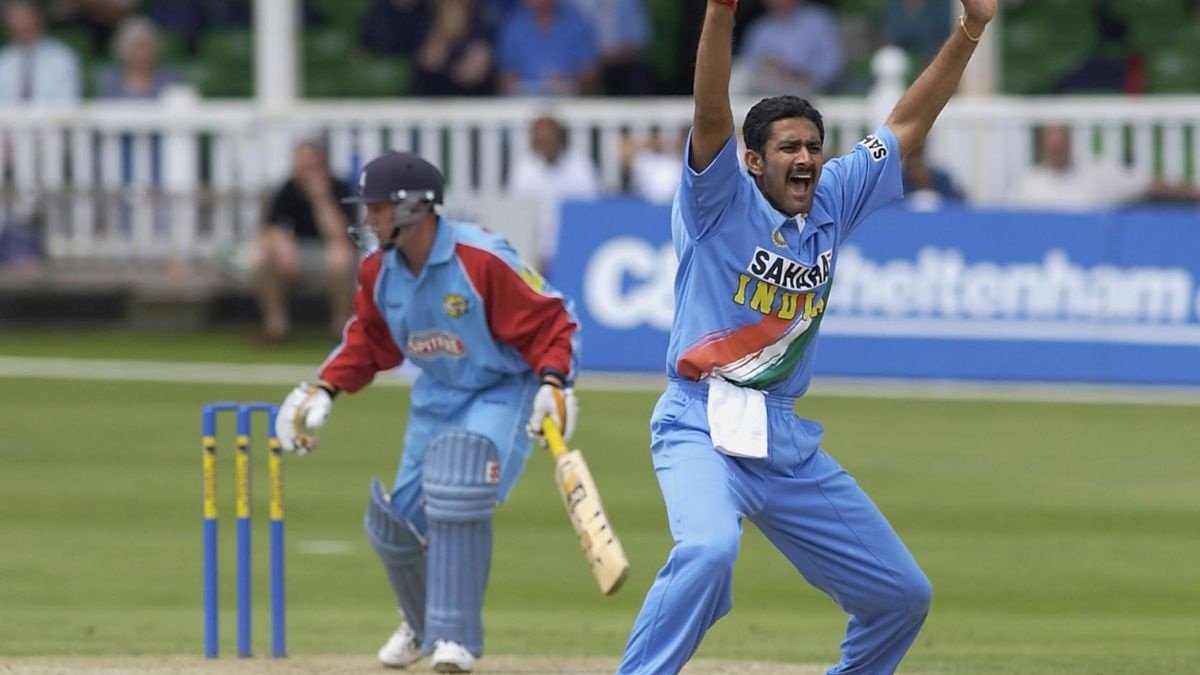
Muttiah Muralitharan leads the all-time ODI wicket list with 534 wickets, ahead of Pakistan’s Wasim Akram on 502. The top 10 is a broad mix of spin and pace, featuring bowlers from Sri Lanka, Pakistan, South Africa, Australia and India. Career wickets show longevity, while bowling average and best figures reveal how efficiently each bowler converted spells into dismissals.
Top 10 bowlers with the most ODI wickets
The following figures cover each player’s ODI career. Bowling average is the number of runs conceded for every wicket taken, so a lower number generally indicates greater efficiency. Best figures show the bowler’s highest wicket-and-runs return in a single ODI innings.
| Rank | Bowler | Team | Matches | Wickets | Average | Best figures | Five-wicket hauls |
| 1 | Muttiah Muralitharan | Sri Lanka | 350 | 534 | 23.08 | 7/30 | 10 |
| 2 | Wasim Akram | Pakistan | 356 | 502 | 23.53 | 5/15 | 6 |
| 3 | Waqar Younis | Pakistan | 262 | 416 | 23.84 | 7/36 | 13 |
| 4 | Chaminda Vaas | Sri Lanka | 322 | 400 | 27.54 | 8/19 | 4 |
| 5 | Shahid Afridi | Pakistan | 398 | 395 | 34.51 | 7/12 | 9 |
| 6 | Shaun Pollock | South Africa | 303 | 393 | 24.51 | 6/35 | 5 |
| 7 | Glenn McGrath | Australia | 250 | 381 | 22.02 | 7/15 | 7 |
| 8 | Brett Lee | Australia | 221 | 380 | 23.36 | 5/22 | 9 |
| 9 | Lasith Malinga | Sri Lanka | 226 | 338 | 28.88 | 6/38 | 8 |
| 10 | Anil Kumble | India | 271 | 337 | 30.90 | 6/12 | 2 |
The leaders and what separates them
Muttiah Muralitharan: 534 wickets
Muralitharan’s 534 wickets in 350 ODIs give him a clear lead at the top of the career list. He conceded 12,326 runs at an average of 23.08, with an economy rate of 3.93. His best ODI return was 7/30, and he collected 10 five-wicket hauls. The scale of his lead matters: he remains one of only two bowlers to pass 500 ODI wickets.
Wasim Akram: 502 wickets
Wasim Akram is second with 502 wickets from 356 matches for Pakistan. His ODI bowling average was 23.53, only marginally higher than Muralitharan’s, while his economy rate stood at 3.90 runs an over. Akram’s best figures were 5/15 and he took six five-wicket hauls. He was the first bowler to reach 300, 400 and 500 wickets in ODI cricket.
Waqar Younis: 416 wickets
Waqar Younis took 416 wickets in 262 ODIs, making him third on the all-time list. His average of 23.84 places him close to the two bowlers immediately above him, though his economy rate was 4.69. His best figures were 7/36. Waqar’s 13 five-wicket hauls are the most by any bowler in ODI cricket, highlighting his ability to produce decisive wicket-taking spells.
Chaminda Vaas: 400 wickets
Chaminda Vaas became the fourth bowler in the list to reach 400 ODI wickets, finishing with exactly 400 in 322 matches. He averaged 27.54 and returned 8/19 as his best figures. Those figures against Zimbabwe in 2001 remain the only eight-wicket haul recorded in an ODI. Vaas took four five-wicket hauls across his ODI career.
Pakistan, Sri Lanka and the value of longevity
The first five positions underline the influence of Sri Lanka and Pakistan in ODI bowling history. Muralitharan, Vaas and Lasith Malinga provide three Sri Lankan names in the top 10, while Akram, Waqar and Shahid Afridi account for three Pakistani bowlers. Long ODI careers were central to these totals: Afridi played 398 matches, the most among the top 10, while Akram and Muralitharan both exceeded 350 appearances.
Shahid Afridi: 395 wickets
Afridi’s 395 wickets came in 398 ODIs, putting him fifth overall and only five wickets behind Vaas. His career average was 34.51, with an economy rate of 4.63. His standout innings return was 7/12, the most economical best-figures entry among the top five. Afridi also recorded nine five-wicket hauls, showing that his wicket tally included several high-impact spells.
Shaun Pollock: 393 wickets
Shaun Pollock took 393 wickets in 303 ODIs for South Africa. His average of 24.51 and economy rate of 3.68 show the balance between containment and wicket-taking that defined his record. His best figures were 6/35, and he registered five five-wicket hauls. Among bowlers with at least 300 ODI wickets, Pollock’s economy rate was the lowest at 3.67 runs per over.
Glenn McGrath: 381 wickets
Glenn McGrath’s 381 wickets in 250 ODIs came at an average of 22.02, the best career average among bowlers who have taken 300 or more ODI wickets. He conceded 8,391 runs at an economy rate of 3.88, with best figures of 7/15. McGrath took seven five-wicket hauls, combining a low average with a strong return in fewer matches than most of the leading group.
For readers assessing player records alongside match-specific selections, bowling role, wicket potential and likely overs are often more useful indicators than a career total alone. Those comparing such factors can also consider today dream11 team captain and vice captain choices in the context of the particular fixture rather than relying only on historic rankings.
Brett Lee: 380 wickets
Brett Lee is eighth with 380 wickets from 221 ODI matches. His bowling average was 23.36, and his economy rate was 4.76. Lee’s best figures were 5/22, while he claimed nine five-wicket hauls. Among the 300-wicket group, he reached that milestone in the fewest matches, doing so in 171 appearances. His career strike rate of 29.4 balls per wicket was also the best in that group.
Lasith Malinga: 338 wickets
Lasith Malinga took 338 wickets in 226 ODIs for Sri Lanka. His average was 28.88, with an economy rate of 5.35, and his best return was 6/38. Malinga recorded eight five-wicket hauls, which is more than several bowlers above him on the aggregate list. His place in the top 10 added to Sri Lanka’s strong representation among ODI cricket’s leading wicket-takers.
Anil Kumble: 337 wickets
Anil Kumble completes the top 10 with 337 wickets in 271 ODIs for India. He conceded 10,412 runs at an average of 30.90 and an economy rate of 4.31. His best ODI figures were 6/12, and he took two five-wicket hauls. Kumble is one of two Indian bowlers to have crossed 300 ODI wickets, alongside Javagal Srinath, who finished with 315.
How to read ODI bowling records
Total wickets reward durability, selection over many years and the ability to remain effective through changing conditions. They do not, by themselves, settle every comparison. McGrath’s average of 22.02 was lower than that of the six bowlers above him in the wicket standings, while Pollock’s economy rate was better than every other member of the 300-wicket group.
Best figures should also be read with care. A huge return such as Vaas’s 8/19 captures an extraordinary single match, but it does not describe every spell of a long career. Five-wicket hauls add another useful angle: Waqar’s 13 show the frequency with which he delivered match-shaping bursts, even though Muralitharan ended with the greater overall tally.
Conclusion
Muralitharan’s 534 wickets remain the benchmark for ODI bowlers, with Akram and Waqar following as the only other players above 400. Yet the top 10 tells more than one story: McGrath leads on average, Pollock on economy among the 300-wicket club, Vaas owns the only eight-wicket ODI haul, and Kumble stands as India’s highest-ranked bowler on the list.